Jerome Benton's Net Worth: Unpacking the Financial Legacy of a Multi-Talented Performer
In the vibrant tapestry of funk, R&B, and cinematic entertainment, Jerome Benton stands as a unique and memorable figure. With a career spanning decades, marked by iconic collaborations and unforgettable performances, many are curious about the financial standing of this dynamic artist. So, what is Jerome Benton's net worth? As of the latest estimates, Jerome Benton has amassed an impressive $1 million. This figure is a testament to his diverse contributions as a musician, dancer, and actor, showcasing a career built on talent, charisma, and strategic collaborations.
Benton’s journey to this financial milestone is far from ordinary. It's a story deeply intertwined with some of the biggest names in music and film, particularly his pivotal role alongside Morris Day in The Time and his associations with the legendary Prince. His ability to seamlessly transition between comedic foil, backing vocalist, and compelling actor has allowed him to cultivate multiple income streams throughout his illustrious career, securing his place not just in entertainment history, but also establishing a solid financial foundation.
The Genesis of a Star: Jerome Benton's Rise with The Time
Born in September 1962, Jerome Benton's entry into the music scene was a fortunate alignment of talent and family connections. His half-brother, the renowned bassist Terry Lewis, was a founding member of the iconic Minneapolis funk-rock band, The Time. This familial link opened the door for Benton, who quickly carved out an indispensable role within the group. While Terry Lewis laid down the groove, Jerome Benton became the band's irrepressible "comic foil," a role that not only highlighted his natural humor but also amplified the band's electrifying stage presence.
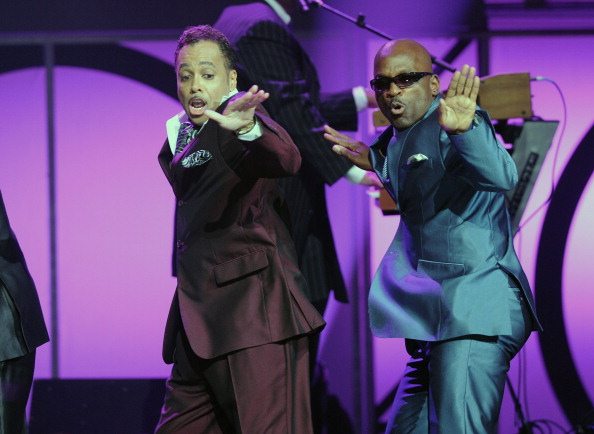
Beyond his comedic timing, Benton contributed significantly as a dancer and provided backing vocals, making him an integral part of The Time's distinct sound and captivating live shows. The Time, under the tutelage and influence of Prince, became synonymous with slick choreography, sharp suits, and an infectious blend of funk and R&B. Their unique performance style, often featuring Benton's playful antics and interactions with frontman Morris Day, garnered widespread acclaim and solidified their status as a major force in the 1980s music landscape. The success of The Time, including hit singles and extensive touring, undoubtedly formed a crucial pillar in the early build-up of Jerome Benton's net worth.
- Key Contributions to The Time:
- Comic Foil: His theatrical and comedic interactions with Morris Day became a signature element of the band's performances.
- Dancer: Integral to the band's dynamic and precise choreography.
- Backing Vocals: Added depth and texture to The Time's vocal arrangements.
This period of his career not only provided financial rewards but also honed his performance skills and established his unique persona, setting the stage for future ventures in both music and film.
From Stage to Screen: Jerome Benton's Cinematic Journey and Prince Collaborations
Jerome Benton's charisma and distinctive style were too potent to be confined solely to the musical stage. His connection to Prince further propelled him into the realm of cinema, where he delivered some of his most memorable performances. His big-screen debut came in the iconic 1984 film Purple Rain, where he starred as Morris Day's impeccably dressed, often-sarcastic bodyguard and valet. This role, an extension of his stage persona, cemented his place in pop culture history and introduced him to a global audience far beyond music aficionados.
His collaborations with Prince extended beyond *Purple Rain*. Benton was also a member of Prince's experimental band, The Family, which released one album in 1985. This venture, while short-lived, showcased Benton's versatility and deeper musical involvement within Prince's creative orbit.
Benton continued his acting career, appearing in several other films, many of which had ties to the Prince universe:
- Under the Cherry Moon (1986): He reprised his role alongside Prince, though this time it led to a somewhat notorious moment, earning him a Razzie Award for Worst Supporting Actor in 1987. This, however, is often seen as a badge of honor for cult film figures, highlighting his willingness to take creative risks.
- Graffiti Bridge (1990): Another film that allowed him to revisit and evolve his character, further deepening his filmography.
- Boys Klub (1992): Demonstrating his continued presence in film post-Prince collaborations.
- Jay and Silent Bob Strike Back (2001): A testament to his lasting appeal and recognition, appearing in a cameo that delighted fans of his earlier work.
Each of these cinematic ventures contributed significantly to Jerome Benton's net worth, diversifying his income streams beyond music royalties and touring. Acting roles, particularly in successful and culturally significant films like Purple Rain, often come with substantial upfront fees and potential residuals, adding valuable assets to a celebrity's financial portfolio. The ability to pivot between music and acting is a hallmark of enduring careers in entertainment, offering both creative fulfillment and financial stability. For more detailed insights into the diversified income streams of entertainment figures, you might find valuable information in jerome benton net worth - Article 2.
Analyzing Jerome Benton's Financial Trajectory: A Deeper Dive
A net worth of $1 million, while perhaps not in the same league as some billionaire moguls, represents a remarkable achievement for a performer whose career has been built on a blend of music, acting, and unique stage presence. To understand Jerome Benton's net worth more comprehensively, we can break down the typical revenue streams for an artist of his caliber:
- Music Royalties and Performance Fees: As a member of The Time, Benton earned from album sales, streaming, and radio play of the band's discography. His involvement in The Family also contributed. Live performances, especially during The Time's heyday and reunion tours, commanded significant fees.
- Acting Salaries and Residuals: His roles in high-profile films like Purple Rain and Under the Cherry Moon would have provided substantial upfront payments, along with residuals from ongoing broadcasts and streaming. Even smaller roles in films like Jay and Silent Bob Strike Back add to the cumulative earnings.
- Endorsements and Appearances: While not explicitly detailed in the reference, public figures often leverage their celebrity for endorsements, guest appearances, or promotional work, which can add to their income.
- Investments: Over a long career, prudent financial management often involves investing earnings into various assets, which can grow over time. While specific details of Benton's investments are private, this is a common strategy for maintaining and increasing wealth.
It's important to remember that a net worth figure is a snapshot in time and can fluctuate based on market conditions, investments, and ongoing earnings. However, Benton's consistent work over several decades demonstrates a savvy approach to his career, leveraging his talents across multiple platforms. His enduring presence in popular culture, with films like Purple Rain maintaining cult status, ensures continued exposure and potential for residual income.
For those interested in how other influential artists of his era managed their wealth and built their fortunes, exploring articles like jerome benton net worth - Article 3 can provide valuable comparative insights.
Conclusion: Jerome Benton's Enduring Legacy and Financial Success
Jerome Benton's net worth of $1 million is more than just a number; it's a reflection of a career characterized by distinctive talent, memorable performances, and smart career choices. From his beginnings as the charismatic "comic foil" of Morris Day and The Time to his unforgettable roles in iconic films like Purple Rain, Benton has left an indelible mark on the entertainment industry. His journey underscores the value of versatility, collaboration, and maintaining a unique identity in a highly competitive field.
His financial standing is a testament to the cumulative effect of diverse income streams, from music royalties and touring to acting salaries and residuals. Beyond the monetary figures, Jerome Benton's true legacy lies in his ability to entertain, innovate, and contribute to the cultural zeitgeist of his era. He remains an inspiration for aspiring artists, demonstrating that a blend of talent, humor, and persistence can lead to both critical acclaim and substantial financial success.
